June 12, 2026
Water quality plays a central role in the comfort, efficiency, and long-term performance of any property. While many people focus on filtration for taste or safety, the mineral content of water often goes overlooked. Hard water, which contains elevated levels of calcium and magnesium, can gradually create issues that affect plumbing systems, appliances, and daily routines.
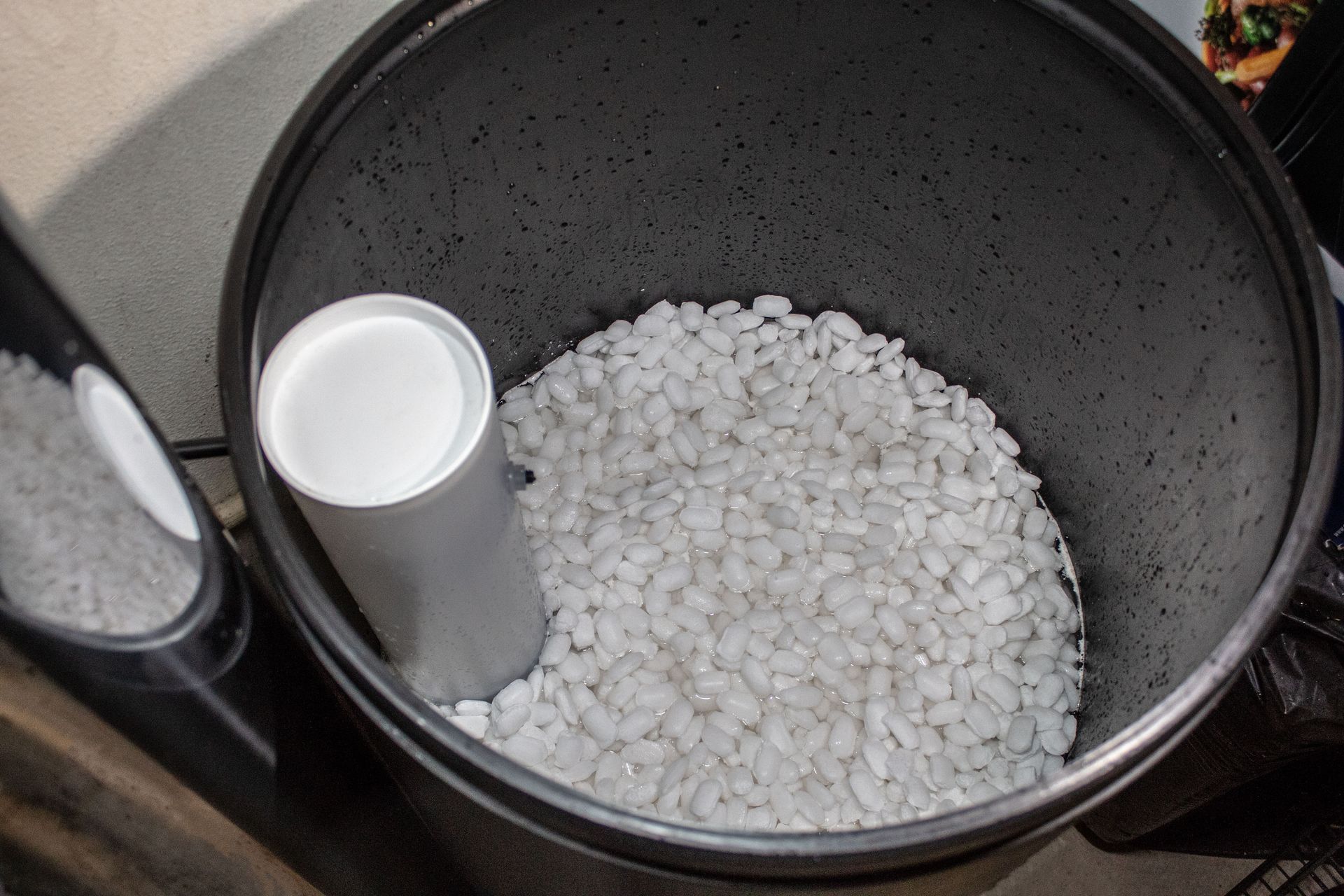
Recognizing the early indicators of hard water can help property owners take corrective action before minor inconveniences develop into costly problems. Installing a water softener system can address these concerns at the source, improving both water quality and overall property performance. Addressing water hardness early can help prevent long-term damage while maintaining consistent performance across every water-using system in the property.
1. Persistent Scale Buildup on Fixtures and Appliances
Visible Residue on Faucets and Surfaces
One of the most immediate signs of hard water is the presence of chalky white residue on faucets, showerheads, and sinks. This buildup, often referred to as limescale, forms when mineral-rich water evaporates and leaves deposits behind. Over time, these deposits become increasingly stubborn and difficult to remove, diminishing the appearance of fixtures and surfaces throughout the property.
This issue is not limited to bathrooms and kitchens. Glassware, dishware, and even tile surfaces can develop cloudy spots that resist standard cleaning methods. In some cases, homeowners also notice a film forming on shower doors that requires frequent scrubbing. When these signs become consistent, they typically indicate that mineral levels in the water supply are high enough to warrant intervention.
Reduced Efficiency of Water-Using Appliances
Scale buildup does not remain confined to visible surfaces. Inside appliances such as dishwashers, washing machines, and water heaters, mineral deposits accumulate on internal components. This buildup creates a barrier that reduces heat transfer efficiency and forces appliances to work harder to perform their intended functions.
For example, a water heater affected by scale buildup may require more energy to heat water, increasing utility costs over time. Dishwashers may also struggle to fully clean dishes due to restricted water flow and reduced detergent performance. Washing machines can experience similar inefficiencies, often leaving clothing less clean even after full cycles. A properly installed water softener system helps minimize these deposits, allowing appliances to operate more efficiently and consistently.
Shortened Lifespan of Plumbing Systems
Beyond appliances, hard water can impact the longevity of plumbing infrastructure. Mineral deposits gradually narrow pipe interiors, restricting water flow and increasing pressure within the system. This added strain can lead to leaks, corrosion, or premature pipe failure.
In more advanced cases, buildup can contribute to uneven water pressure between fixtures or noisy pipe operation. Addressing these issues early is critical to avoiding extensive repairs or replacements. By reducing mineral content, a water softener system helps preserve the integrity of pipes and plumbing components, supporting long-term system reliability.
2. Noticeable Changes in Skin, Hair, and Laundry
Dry Skin and Irritated Scalp
Hard water can have a direct effect on personal comfort, particularly when it comes to skin and hair. The minerals present in hard water interact with soaps and shampoos, creating a residue that can remain on the skin after rinsing. This residue often leads to dryness, irritation, and a tight or uncomfortable feeling after bathing.
For individuals with sensitive skin, these effects may be even more pronounced. Some also notice that lotions and moisturizers seem less effective over time, as residue can interfere with absorption. Continued exposure to mineral-heavy water can make daily hygiene routines feel less effective overall.
Dull, Brittle Hair
Hair is similarly affected by hard water conditions. Mineral buildup can coat hair strands, reducing their natural shine and making them feel coarse or brittle. This can also interfere with the effectiveness of conditioners and other hair care products, leading to increased product usage without noticeable improvement.
In addition, some people report scalp dryness or flaking that does not respond well to typical treatments. When hair consistently appears dull or difficult to manage despite regular care, hard water may be a contributing factor. Installing a water softener system can help restore balance by removing excess minerals, allowing hair care products to perform as intended.
Stiff or Faded Laundry
Laundry is another area where hard water leaves a clear impact. Clothes washed in mineral-rich water often feel stiff or rough due to soap residue that fails to rinse away completely. Colors may appear faded over time, and fabrics can wear out more quickly as mineral deposits accumulate within fibers.
This effect can become especially noticeable on towels and linens, which may lose softness and absorbency. It also increases reliance on detergents and fabric softeners, adding to ongoing household expenses. Softer water improves the effectiveness of these products, resulting in cleaner, brighter, and longer-lasting fabrics.
3. Rising Soap Usage and Water Quality Concerns
Increased Soap and Detergent Consumption
One of the less obvious but highly telling signs of hard water is the amount of soap required for everyday tasks. Hard water inhibits the ability of soap to lather effectively, leading to increased usage in an attempt to achieve the desired level of cleanliness.
This applies to hand washing, dish washing, and laundry alike. Over time, the cumulative cost of additional soap and cleaning products can become significant. A water softener system addresses this inefficiency by allowing soap to dissolve and lather properly, reducing overall consumption.
Spotty Dishes and Glassware
Even after a full wash cycle, dishes and glassware may emerge with visible spots or streaks. These marks are caused by mineral deposits left behind as water dries. While rinse aids may offer temporary improvement, they do not eliminate the underlying issue.
Consistent spotting is a strong indicator that the water supply contains elevated mineral levels. By treating the water at the source, a water softener system helps ensure that dishes come out clean and clear after every wash.
Measurable Hardness Levels in Water Supply
For a more technical confirmation, water hardness can be measured in grains per gallon. According to HomeGuide, water that falls within the seven to 10 grains per gallon range is considered hard and typically warrants softening, while levels between 10 and 20 grains per gallon are classified as very hard and make softening essential. Understanding where a property's water supply falls within this range can provide valuable insight into whether corrective measures are necessary.
Testing water hardness offers a definitive way to assess the severity of the issue. When combined with the visible and functional signs already discussed, these measurements can help property owners make informed decisions about installing a water softener system.
Hard water issues often develop gradually, making them easy to overlook until their effects become more pronounced. From scale buildup and appliance inefficiency to personal discomfort and increased cleaning costs, the signs are both visible and measurable. Recognizing these indicators early allows property owners to take proactive steps toward improving water quality.
A well-chosen water softener system addresses the root cause of these challenges by reducing mineral content and restoring balance to the water supply. The result is a more efficient, comfortable, and cost-effective environment for both residential and commercial properties. Over time, these improvements can also contribute to lower maintenance demands and a more reliable overall water system. If you're interested in how a water softener can benefit your property, reach out to Texas Water Softeners!