February 26, 2026
Access to clean and safe water is crucial for sustaining good health and well-being. Reverse osmosis systems are an advanced technological solution that significantly enhances water quality, making them a valuable investment for households and businesses alike. By understanding the technology, health benefits, environmental impact, and economic value of reverse osmosis water filters, one can better appreciate their worthiness as an investment. With increasing concerns about water pollution and quality, reverse osmosis systems offer a viable option for ensuring safe drinking water. Invest in a reverse osmosis system today to take control of the quality of water you and your family consume.
Understanding Reverse Osmosis Technology
The Basic Principle
Reverse osmosis technology operates by exerting pressure to force water through a semipermeable membrane. This membrane allows water molecules to pass while blocking larger contaminants such as dissolved salts and heavy metals. The result is pure, clean water suitable for drinking and cooking. Reverse osmosis is highly effective, eliminating parasites, viruses, and bacteria. This makes reverse osmosis systems particularly valuable in areas with compromised water sources.
Key Components of a Reverse Osmosis System
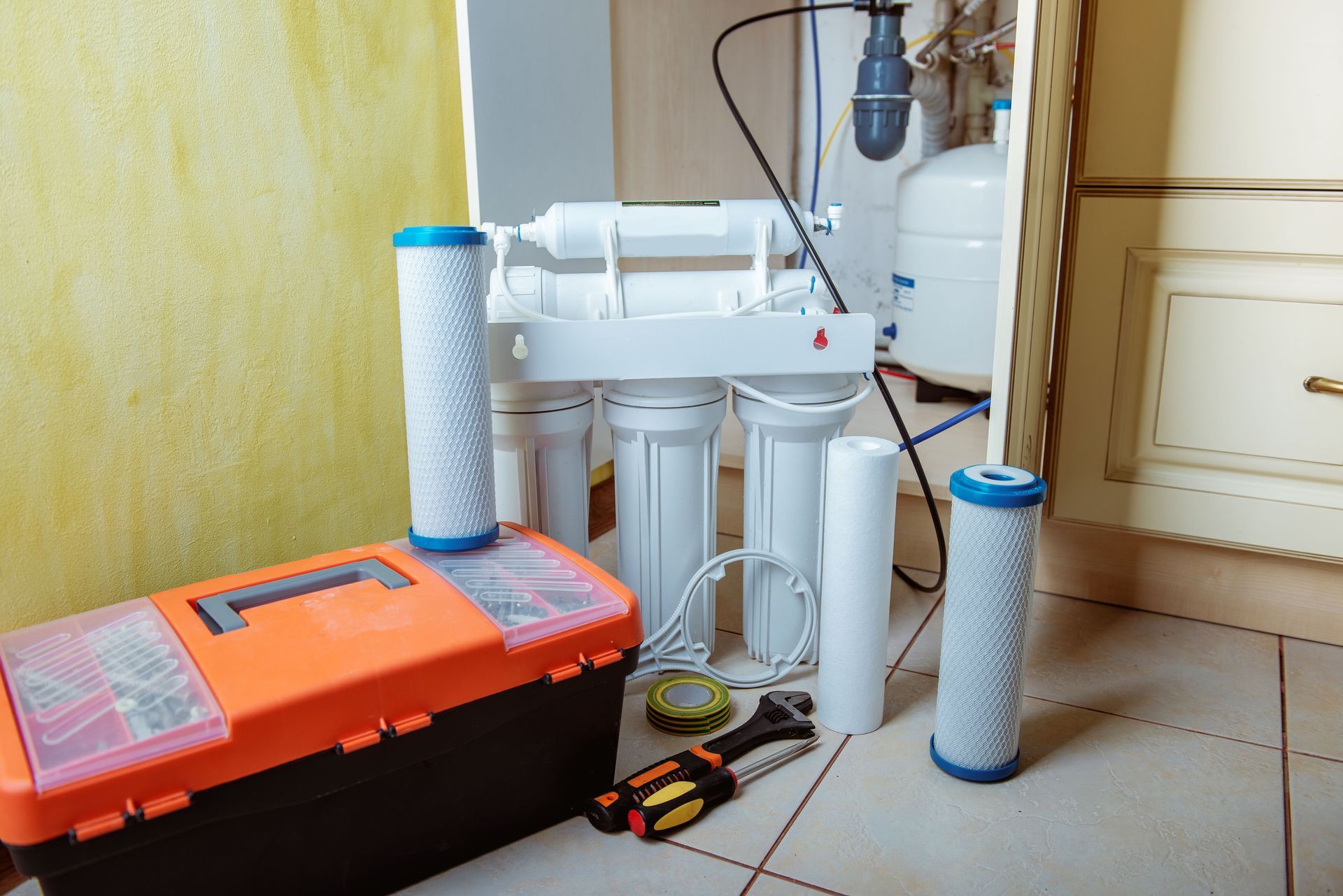
A typical reverse osmosis system comprises several key components that work together to purify water. These include a pre-filter, semipermeable membrane, flow restrictor, and a storage tank. The pre-filter is responsible for removing larger particles and sediment before the water reaches the membrane. The semipermeable membrane is the heart of the system, where the actual filtration occurs. Finally, purified water is stored in a designated tank, ready for use.
How Reverse Osmosis Differs from Other Filtration Methods
Compared to other filtration methods, reverse osmosis is uniquely effective due to its ability to remove virtually all dissolved solids. While carbon filters focus primarily on removing chemicals and odors, reverse osmosis goes further. It targets dissolved salts, heavier molecules, and even microorganisms. This comprehensive filtration capacity sets it apart from simpler systems that may only eliminate a fraction of potential contaminants. Therefore, reverse osmosis is often chosen for its thoroughness in purifying water.
Efficiency and Performance Metrics
The efficiency of a reverse osmosis system is often measured by its capacity to remove contaminants while conserving water. Many modern systems have improved water recovery rates, minimizing wastewater. These performance analytics are critical for consumers concerned with resource efficiency. Improvements in membrane technology have further enhanced both efficiency and lifespan of modern systems.
Technological Advances in Recent Years
Recent years have seen significant advances in reverse osmosis technology, boosting both efficiency and user convenience. Innovations include more durable and effective membrane materials, sometimes infused with antimicrobial properties. Additionally, systems are now more compact and easier to integrate with existing plumbing. Adaptive smart technologies allow for real-time monitoring and alert users to necessary maintenance, such as filter replacements. Together, these advances make owning and maintaining a reverse osmosis system more appealing and practical than ever.
The Health Benefits of Reverse Osmosis Water
Removal of Contaminants
The primary health benefit of reverse osmosis water is its exceptional level of contaminant removal. This process eliminates dangerous elements such as lead, chlorine, pesticides, and other toxins. By filtering out various pathogens and harmful chemicals, reverse osmosis systems provide water that is not only safe but also healthy. According to the CDC, reverse osmosis filters with a pore size of about 0.0001 microns can remove parasites, viruses, and bacteria effectively. Consequently, consuming reverse osmosis water can drastically reduce exposure to potential health risks associated with contaminated water.
Contribution to Mental Well-being
In addition to physical health, quality water can also impact mental well-being. Proper hydration levels are linked to improved cognitive function, including better focus and mood stability. Consuming water free of harmful substances can diminish the risks of neurological problems. Regular intake of purified water helps alleviate anxiety related to consuming possibly contaminated water. By reducing the intake of impurities, reverse osmosis water contributes to mental clarity and emotional equilibrium.
Supporting Immune System Functions
Consuming water free from impurities can have a beneficial effect on the immune system. A healthy immune function depends on proper nutrient and hydration levels, both of which are influenced by water quality. Reverse osmosis systems eliminate harmful pathogens, allowing the immune system to operate without the stress of fighting external attacks. Moreover, the removal of harmful chemicals decreases the chance of immune-related disorders. Drinking reverse osmosis water offers a layer of protection, fortifying the body's natural defenses.
Benefits for Specific Populations
Certain populations, such as pregnant women and children, are particularly susceptible to the adverse effects of water contamination. For these groups, reverse osmosis water offers extra reassurance. Pregnant women can benefit from reduced exposure to chemicals that may affect fetal development. Likewise, children consuming pure water are less at risk from developing conditions related to toxins and impurities. Therefore, reverse osmosis systems are highly recommended for households with vulnerable individuals, contributing to their overall health and well-being.
Environmental Impact of Reverse Osmosis Systems
Reduction of Plastic Waste
One of the most significant environmental benefits of reverse osmosis systems is the reduction in plastic waste. With a reliable in-home system, there is less need to purchase bottled water. This leads to a decrease in plastic bottle consumption, reducing plastic waste that often ends up in landfills or oceans. Moreover, pressure on resources for bottle production is minimized. Overall, users contribute to environmental conservation efforts by reducing reliance on single-use plastics.
Energy Consumption Considerations
Energy consumption is a key consideration when evaluating the environmental impact of reverse osmosis systems. While these systems do require electricity for operation, advancements have improved their energy efficiency. Many modern systems are designed to use minimal energy while maximizing water output. This technology reduces the overall carbon footprint of the system. Furthermore, energy-conscious consumers can choose energy-efficient models to further align with environmental goals.
Eco-friendly Disposal and Recycling of Filters
Eco-friendly disposal practices are important when considering the lifecycle impact of reverse osmosis systems. Many manufacturers now provide guidance for recycling filters, which helps reduce waste. Some filters are designed with environmentally safe materials that degrade more rapidly than traditional plastics. Knowing how to properly dispose of or recycle components can significantly lessen environmental strain. Awareness and action in this area amplify the overall green benefits of using a reverse osmosis system.
Potential Drawbacks and How to Mitigate Them
Water Wastage Concerns
One potential drawback of reverse osmosis systems is water wastage. The process involves generating wastewater, which can concern environmentally conscious users. However, recent advancements have optimized water recovery, reducing waste. Using wasted water for non-potable purposes can alleviate such concerns. Choosing more efficient models and being mindful of usage helps minimize environmental impact.
Mineral Removal and Supplementation
Reverse osmosis systems remove many minerals, along with contaminants, which can present dietary concerns. The thorough filtration process strips out beneficial minerals such as calcium and magnesium. Users can counteract mineral loss by supplementing their diet or adding some minerals back into their water. Some systems are now designed to re-mineralize water, preserving health benefits. Proper awareness and targeted solutions can ensure balanced hydration without nutrient deficiencies.
Taste Preference Adjustments
Switching to reverse osmosis water can require an adjustment period for taste preferences. As the system removes impurities, it may alter water's natural taste. To mitigate this, some manufacturers offer options to enhance the finished product's taste profile. Taste adjustments are typically subjective and vary by individual. Over time, most users adapt and appreciate their water's purity and lack of off-flavors.
Investing in a reverse osmosis water filter system stands as a prudent choice for both individuals and environments. The technology provides unmatched purification, ensuring access to clean, safe water. Health benefits, economic savings, and environmental considerations present a compelling case for adoption. While there are potential drawbacks, they are generally manageable with informed decisions and technological advancements. Overall, reverse osmosis systems emerge as an invaluable asset for all seeking improved water quality and sustainable living resources. If you're looking for a reverse osmosis water system, contact Texas Water Softeners today.