October 6, 2026
This article introduces the concept of water purification systems, providing an overview of their importance, basic mechanisms, and the various types available. Understanding water quality and purification systems can help individuals and organizations make informed decisions about water treatment options. With growing concerns about water pollution and its impact on health, knowledge about purification becomes increasingly relevant. Various technologies have been developed to address different contaminants and improve water safety and quality. By exploring these systems, we can understand their essential role in promoting public health and environmental sustainability.
Understanding Water Quality
Importance of Water Quality
Maintaining high water quality standards is essential for ensuring public health and well-being. Water is a fundamental resource that supports life, and its quality directly influences health outcomes. Consuming contaminated water can lead to serious health issues, including gastrointestinal infections and long-term chronic diseases. Safe and clean water is necessary not just for drinking but for all household activities, including cooking, cleaning, and personal hygiene. Furthermore, communities with access to good quality water tend to have better health profiles and overall quality of life.
Common Contaminants Found in Water
Water can be contaminated by a range of impurities, broadly categorized into biological, chemical, and physical contaminants. Biological impurities include bacteria, viruses, and protozoa, which can cause disease if not properly managed. Chemical contaminants often originate from industrial and agricultural activities and include substances like pesticides, heavy metals, and solvents. Physical impurities, such as sediment and particulate matter, can affect water clarity and aesthetic quality. Effective purification systems aim to address all these contaminant categories to ensure safety.
Testing Water Quality
Testing water quality involves a variety of methods to assess the presence and concentration of different contaminants. Standard tests measure parameters such as pH, turbidity, microbial content, and concentrations of specific chemicals. Regular testing is crucial for identifying changes in water quality and determining necessary interventions for purification. Advanced technologies offer precise measurements and can detect contaminants at very low levels. Understanding these metrics helps individuals and communities ensure their water remains safe and clean.
Impact of Poor Water Quality
Consuming and using poor quality water can have significant health and environmental impacts. Health issues such as cholera, dysentery, and lead poisoning have been linked to contaminated water. Long-term exposure to certain chemicals, even at low levels, can cause chronic conditions such as cancer and endocrine disorders. Environmentally, water pollution can devastate ecosystems, affecting biodiversity and reducing water availability for agriculture and industry. Therefore, safeguarding water quality is integral to protecting both human health and the natural environment.
Regulations and Standards
Global and local regulations govern the safety and quality of water to protect the public. Organizations such as the World Health Organization and the Environmental Protection Agency set guidelines for permissible contaminant levels in drinking water. These standards help countries develop regulations that ensure water safety for consumers. Compliance with these regulations is monitored through regular inspections and water quality testing. As water-related challenges evolve, standards are periodically revised to address emerging threats.
Types of Water Purification Systems
Reverse Osmosis Systems
Reverse osmosis systems are effective at removing impurities by forcing water through a semipermeable membrane. These systems effectively eliminate contaminants including heavy metals, nitrates, and dissolved salts. The process of reverse osmosis is capable of removing up to 99% of common contaminants, making it one of the most comprehensive water purification methods. However, it also involves water waste and requires regular maintenance, including changing filters and membranes. Despite these considerations, it remains popular for its high effectiveness in producing purified water.
Ultraviolet Purification Systems
Ultraviolet (UV) purification systems use UV light to deactivate harmful microorganisms in water. This method is especially effective against bacteria, viruses, and protozoa by disrupting their DNA and preventing reproduction. It does not alter the taste or odor of water and requires minimal energy, making it an environmentally friendly option. However, UV systems do not remove chemical contaminants or particulates, so they are often used in combination with other purification technologies. Regular monitoring and lamp replacement are necessary to ensure the continued effectiveness of UV systems.
Carbon Filtration Systems
Carbon filtration systems utilize activated carbon to remove organic compounds and improve taste and odor. These systems are particularly effective at absorbing chlorine, volatile organic compounds (VOCs), and other chemicals that contribute to unpleasant tastes and odors. Activated carbon filters work by trapping impurities in their porous structure, which is why regular replacements are important to maintain system effectiveness. They are simple to install and operate, making them a popular choice for homeowners looking to improve water aesthetics. While carbon filters are ideal for improving taste and odor, they are usually part of a multi-stage purification process for comprehensive water treatment.
Distillation Systems
Distillation systems purify water by heating it to create steam, leaving contaminants behind, and then condensing the steam back into water. This process effectively removes a wide range of impurities, including bacteria, viruses, and many heavy metals. It is one of the oldest methods of water purification but requires significant energy input for heating and cooling. Despite its energy demands, distillation is valued for its ability to produce high purity water. However, its utility in large-scale applications is limited by cost and efficiency constraints.
Ion Exchange Systems
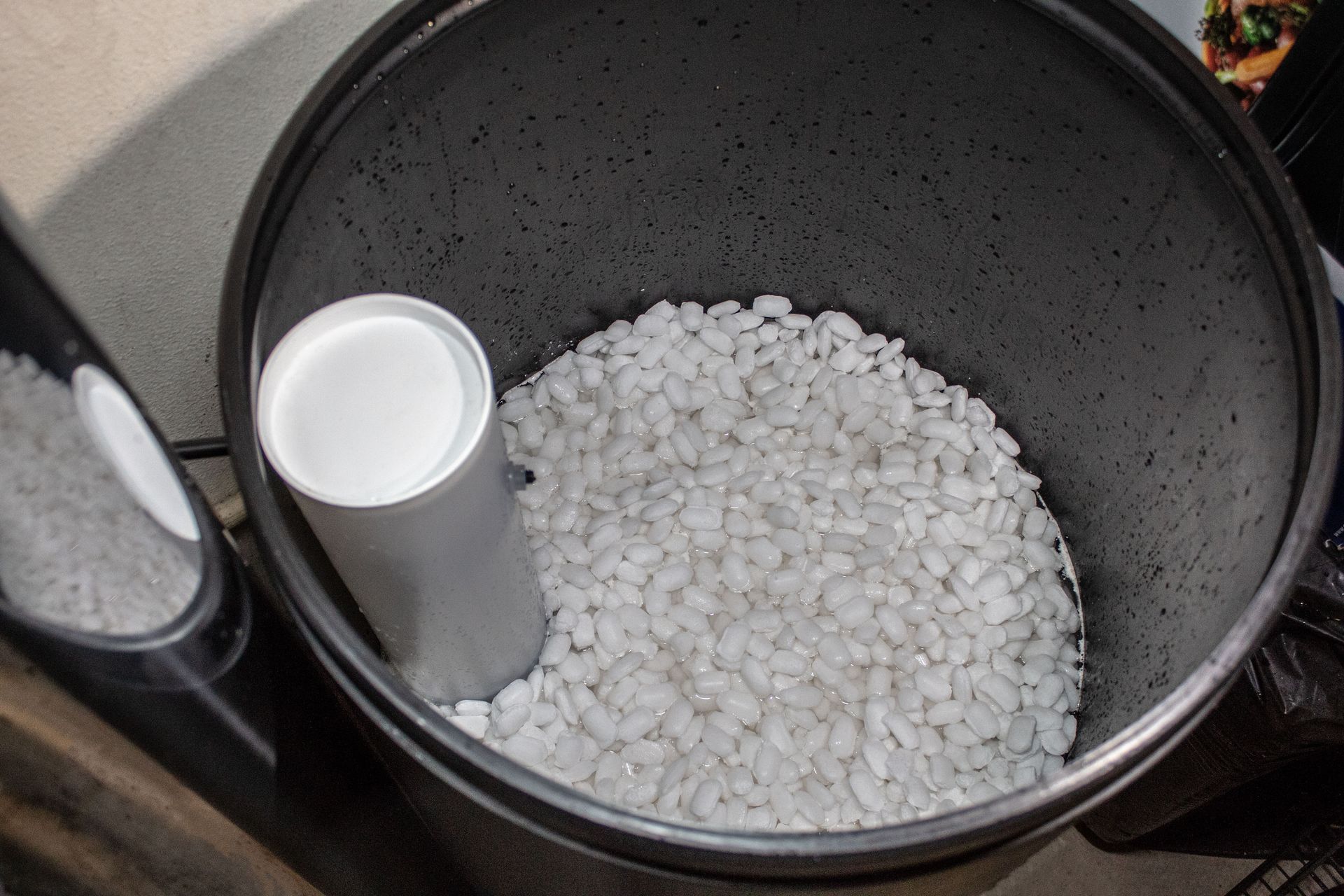
Ion exchange systems are designed to soften hard water by exchanging calcium and magnesium ions with sodium or potassium ions. This process effectively reduces scale buildup, protecting plumbing and appliances from damage. According to This Old House, a water softener’s brine tank should have its salt level checked monthly and replenished as necessary, which is typically about two times a year. In addition to softening water, ion exchange can remove other ions, such as nitrates and arsenic, improving water safety. Regular maintenance, including resin regeneration and periodic checks, is crucial for optimal system performance.
Comparing Purification Methods
Effectiveness Against Contaminants
Each purification method offers varying effectiveness against specific contaminants. Reverse osmosis excels at removing dissolved solids and ions, while UV systems are superior for microbial deactivation. Carbon filters are best suited for organic chemicals and taste improvements; distillation covers a broad spectrum but is less energy efficient. When selecting a system, understanding the primary contaminants of concern and the specific effectiveness of each method is crucial for making informed choices. Considering these factors ensures the selected purification system meets the user's specific needs.
Cost and Maintenance
The cost and maintenance requirements of water purification systems vary significantly. Systems like reverse osmosis and distillation generally involve higher initial investments and ongoing maintenance costs. Carbon filters and UV systems tend to be more economical but require regular component replacement and monitoring. It's important to factor in these costs over the system's lifetime to evaluate economic feasibility accurately. Regular maintenance is essential across all methods to ensure long-term performance and reliability.
In conclusion, understanding the various aspects of water purification systems can guide informed decisions about which solutions best meet individual or organizational needs. With insight into water quality issues, purification technologies, and the benefits and challenges they bring, readers can better navigate the landscape of water treatment and its future trends. As water quality concerns persist globally, the role of purification systems will grow increasingly vital in safeguarding health and promoting sustainability. By staying informed about available options and innovations, users can confidently address their water quality challenges. Be sure to reach out to Texas Water Softeners today to learn more about our professional water purification systems!