September 10, 2026
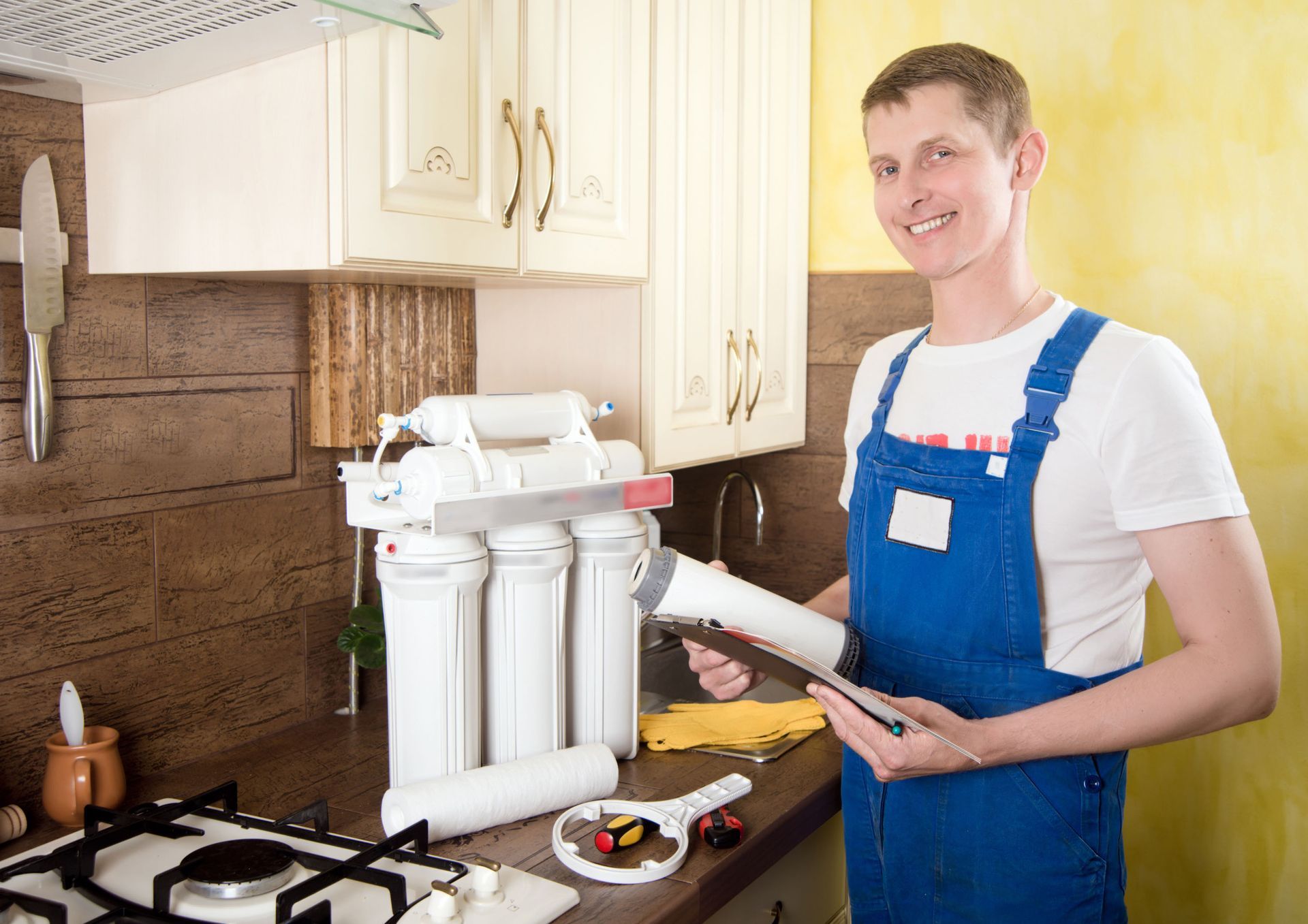
After professional water softener installation, homeowners can expect more than a newly installed piece of equipment in their utility area. A properly selected and installed system can change how water feels, how household surfaces look, and how efficiently water-using appliances operate. The transition is generally straightforward when trained professionals handle the plumbing connections, system settings, and initial testing.
Understanding the Immediate Changes
A More Comfortable Water Experience
One of the first changes homeowners may notice is how water feels during everyday activities. A water softener addresses minerals such as calcium and magnesium that can interfere with soap and leave residue behind. Once those minerals are reduced, showers may feel cleaner, while shampoo and body wash can rinse away more easily. Some homeowners also notice that their skin feels less dry after bathing and that their hair has a cleaner, less coated feel.
These changes can extend beyond personal care. Softer water can make routine household tasks more convenient because fewer mineral deposits are left on sinks, faucets, shower doors, and other surfaces. Glassware may have fewer visible spots, while fixtures can maintain a cleaner appearance between routine cleanings. Although the exact results vary according to existing water conditions and household habits, reducing hard-water effects can make everyday maintenance less frustrating.
Cleaner Laundry and Dishes
Laundry is another area where homeowners may see noticeable differences after a water softener is installed. Hard-water minerals can interact with detergents and remain on fabrics after a wash cycle, potentially making clothing feel stiff or look dull. With softened water, detergents can work more effectively, which may help fabrics feel cleaner and reduce the amount of residue left behind. Homeowners may also find that less detergent is needed to achieve satisfactory results.
Dishwashing can benefit similarly. Mineral deposits can create spots and cloudy-looking residue on dishes, glassware, and utensils. Reducing the minerals responsible for that buildup can make dishes appear cleaner after washing and decrease the amount of hand polishing or additional cleaning required. These benefits are particularly useful for households that regularly deal with noticeable spotting throughout the kitchen.
Less Scale Around the Home
Hard-water scale can accumulate gradually on plumbing fixtures and the internal components of water-using appliances. After a water softener installation, homeowners can expect the system to help reduce the conditions that contribute to new mineral buildup. Existing deposits will not necessarily disappear immediately, but preventing additional accumulation can make ongoing maintenance easier.
Water heaters, dishwashers, washing machines, and other equipment can all be affected by mineral deposits. By reducing exposure to hard-water minerals, a properly sized system can help these appliances operate without the same level of scale-related interference. This does not eliminate the need for normal appliance maintenance, but it can support a cleaner plumbing environment throughout the property.
Maintaining Your System After Installation
Checking Salt and Brine Levels
Professional installation is only the beginning of maintaining consistent performance. Homeowners should understand the basic upkeep their system requires and follow the manufacturer's recommendations for inspections, cleaning, and replenishment. For salt-based systems, keeping the brine tank supplied is particularly important because the system depends on salt during its regeneration process.
According to This Old House, the salt level in a softener's brine tank should be checked once a month and replenished when necessary, typically about two times a year. Actual requirements can vary based on household water consumption, system capacity, and water hardness, so homeowners should follow the specific maintenance guidance provided for their equipment.
Watching for Changes in Performance
Homeowners should also pay attention to changes in water quality or system operation. A sudden return of hard-water symptoms, such as increased spotting, scale, or changes in how soap lathers, may indicate that the water softener needs attention. In some cases, the cause could be a low salt supply, an incorrect setting, a maintenance issue, or another component requiring inspection.
Routine observation can help identify potential problems before they become more disruptive. Homeowners do not necessarily need to understand every mechanical component of the system. Instead, they can keep track of noticeable changes and contact a qualified professional when performance differs from what they normally experience.
Scheduling Professional Maintenance
Regular professional service can provide another layer of protection for the equipment. A technician can inspect connections, evaluate system performance, check settings, and identify components that may need cleaning or service. Professional maintenance is especially helpful when homeowners are unsure whether their water softener is operating as efficiently as it should.
Maintenance needs can differ depending on the type of system, household size, water conditions, and frequency of use. Keeping records of service appointments and following the manufacturer's recommended schedule can make it easier to maintain consistent performance. Promptly addressing unusual noises, leaks, or changes in water quality can also help prevent minor concerns from becoming larger plumbing problems.
Protecting Your Home Long Term
Supporting Water-Using Appliances
A properly maintained system can help reduce the mineral exposure that contributes to scale inside water-using appliances. Water heaters are particularly important because mineral buildup can affect surfaces and components involved in heating water. Dishwashers and washing machines may also benefit from reduced mineral accumulation as they repeatedly process household water.
Reducing scale does not make appliances maintenance-free, but it can complement normal care and cleaning. Homeowners should continue following the manufacturer's instructions for descaling, cleaning, filter replacement, and other recommended tasks. Combining regular appliance maintenance with improved water quality can help support reliable operation and preserve the condition of equipment.
Reducing Household Cleaning Demands
Hard-water residue can create a recurring cleaning challenge throughout the home. Faucets, shower walls, glass doors, sinks, and other surfaces may develop visible mineral deposits that require frequent attention. Once a water softener begins addressing the minerals responsible for new deposits, homeowners may find that certain surfaces are easier to maintain.
The difference can be especially noticeable in bathrooms and kitchens, where water comes into frequent contact with fixtures and glass. Less mineral residue can mean less time spent scrubbing spots and soap scum from surfaces. Homeowners should still clean these areas regularly, but reducing the source of persistent buildup can make routine housekeeping more manageable.
Getting the Most From Your Installation
The benefits of professional installation depend heavily on selecting equipment that matches the property's water conditions and household demand. A qualified installer can evaluate water quality, plumbing configuration, household consumption, and available installation space before determining an appropriate setup. Proper placement and calibration can then help the water softener provide consistent treatment throughout the home.
Homeowners can support that performance by following maintenance recommendations and addressing concerns promptly. Professional installation is designed to provide a reliable foundation, but ongoing care remains important. When the equipment is appropriately selected, correctly installed, and properly maintained, homeowners can expect a more comfortable water experience while helping protect plumbing fixtures, appliances, laundry, and household surfaces from the effects of hard water.
A professional installation can make the transition to softer water simple while addressing many of the everyday inconveniences associated with mineral-rich water. From cleaner-feeling showers and improved laundry results to less scale around fixtures and appliances, the benefits can become apparent throughout the home.
With appropriate maintenance and periodic professional service, homeowners can continue supporting their system's performance and protect their investment. If hard water is affecting your home's comfort, cleaning routine, or plumbing, contact a qualified water treatment professional to discuss the right solution for your property.